On April, 1934, the Guandong local government entered an agreement with the American Curtiss-Wright Aircraft corporation to set up a new aircraft factory, about 200 kilomter north of Kanton. Construction started in July 1934 with the help of several American Engineers. The 韶關飛機修理廠 (Sháoguān Fēijī Xiūlǐ Chǎng, Shaoguan Aircraft Repair Factory) started operations on August 15 1935 and was officially opened on December 1st, 1935.
After a failed joint Guangdon-Guangxi revolt against the nationalist government (兩廣事變, Liangguang Incident), the factory was renamed 韶關飛機製造廠 (Sháoguān Fēijī Zhìzào Chǎng, Shaoguan Aircraft Manufacturing Factory)
In 1938, one year after the outbreak of the 2nd Sino-Japanese war, the factory was damaged after being bombed by the Japanese. The plant was evacuated to Kunming in response and renamed 空軍第一飛機製造廠 (Kōngjūn Dì Yī Fēijī Zhìzào Chǎng, 1st Air Force Manufacturing Factory).
By the end of 1942, The factory was relocated again, this time due to Japanese advances in Burma.
Designations
Chinese planes of this era were both designated with a Chinese name, as well as an Western name, imitating the sytle used by the USAAF (XP-2, XB-3). Interestingly planes from this era also bore an American style name (XB-3, XP-1). It is unclear why this happened, but aircraft development at the time was heavily influenced by the US, with American pilots, mechanics and personnel operating in the Chinese air force, the Flying Tigers. Many designers at the time had also studied in the US.
There are also gaps in the designations; The XB-1 and 2, and the existance of the XP-0 may imply the XB-0 and XT-0, however no information is known about the existance of these planes, and if they even existed at all.
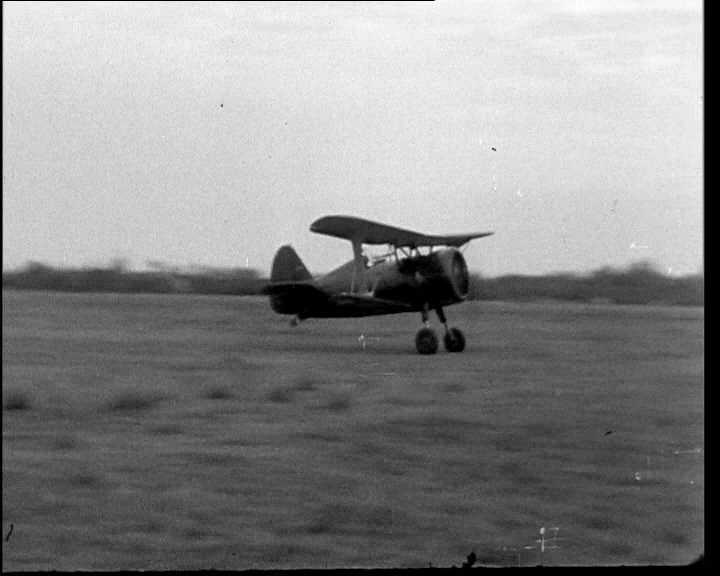
Zhōng 28B / 忠二十八乙式
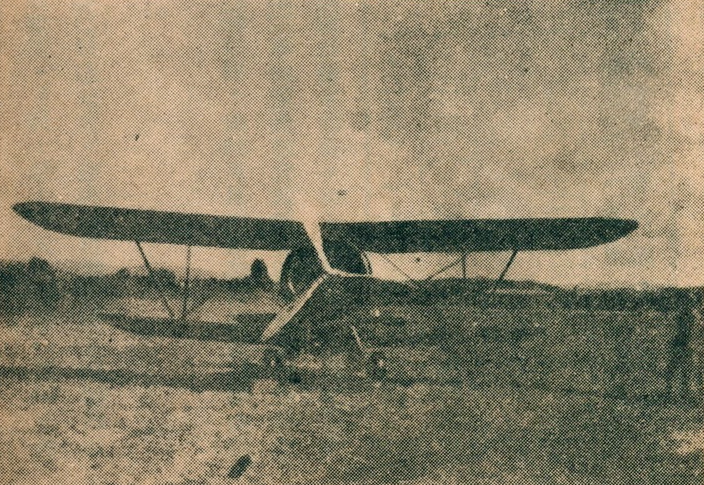
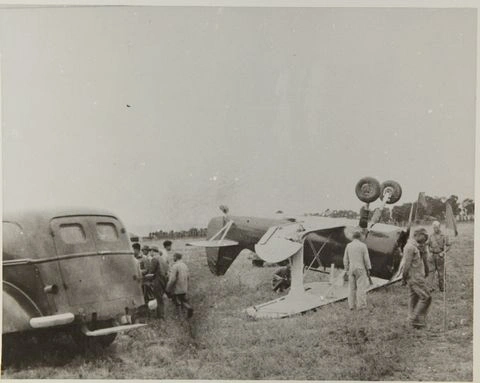
The Zhōng 28B (sometimes also translated as Chung 28B, Zhong 28 Yi or Chung Yi) was a redesigned Polikarpov I-15bis1. 忠(Zhōng) Means “devotion” or “loyalty”. 乙(Yǐ) is a counter, meaning 2nd, or ‘B’. The number 28 refers to the Chinese year.
In order to become more self-sufficient, the 1st AFAMF decided to design and produce a indigenous version of the Polikarpov I-15bis fighter. Work started in August 1939 under chief engineer Constantine Zakhartchenko.
The main difference was the replacement of the Shvetsov M-15V engine with Wright R-1820-F3 engines. Some engines used were salvaged from damaged Curtiss Hawk III aircraft, and some were spares. In order to fit them, the nacelle was shortened and exhaust pipes were modified. In addition, the Hawk’s 3-bladed propellers and tail wheels where used. Flaps were also installed on the lower wings and an additional wing strut was installed between the wings. The shape of the rear fuselage was straightened, and the bottom of the rudder was rounded.
The aircraft is most commonly claimed to have 4 7.62mm machine guns. The exact model remains unclear and they could be both American .30cal Brownings, or Soviet PV-1 or ShKAS machine guns.
The design was finished at the end of 1939. However, due to shortages production did not start until 1941. The design was altered to use substitute materials, and the first prototype was completed in November 1941. After successful test flights the design was given the go for mass production with about 100 aircraft ordered. However only 30 where delivered when production was stopped in 1942 / 1943 (sources don’t agree). By that time, they where already outdated and they were relegated to training purposes.
| Zhong 28B 忠二十八乙式 / Zhōng 28 Yī | |||
|---|---|---|---|
| Length | 6.27 meter | Crew | 1 pilot |
| Wingspan | 10.20 meters | Cruising Speed | |
| Height | 2.80 meter | Maximum Speed | 370 km/h |
| Empty Weight | 1400 kg | Range | |
| Gross Weight | 1740 kg | Ceiling | |
| Powerplant | Wright SR-1820-F-53 | Number build | |
| Fuel capacity | |||
| Armament | 4 x 7.62mm machine guns (exact type unknown, likely ShKAS or .30cal) | ||
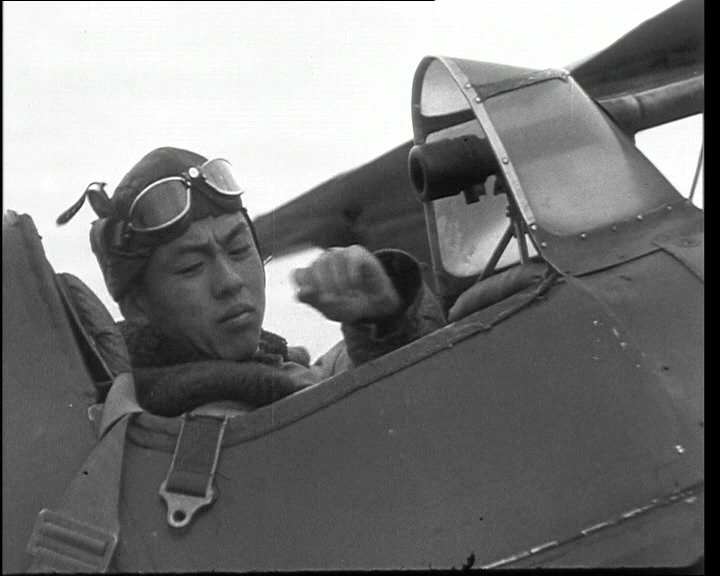
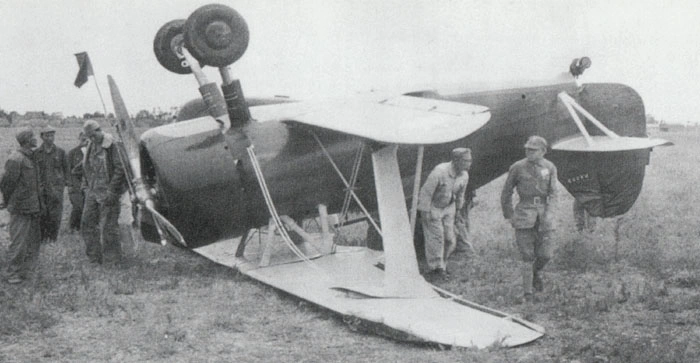
XP-0 / 研驅一式
| XP-0 研驅一式 / Yán Gū Yīshì | |||
|---|---|---|---|
| Length | Crew | ||
| Wingspan | Cruising Speed | ||
| Height | Maximum Speed | ||
| Empty Weight | Range | ||
| Gross Weight | Ceiling | ||
| Powerplant | Number build | ||
| Fuel capacity | |||
| Armament | |||
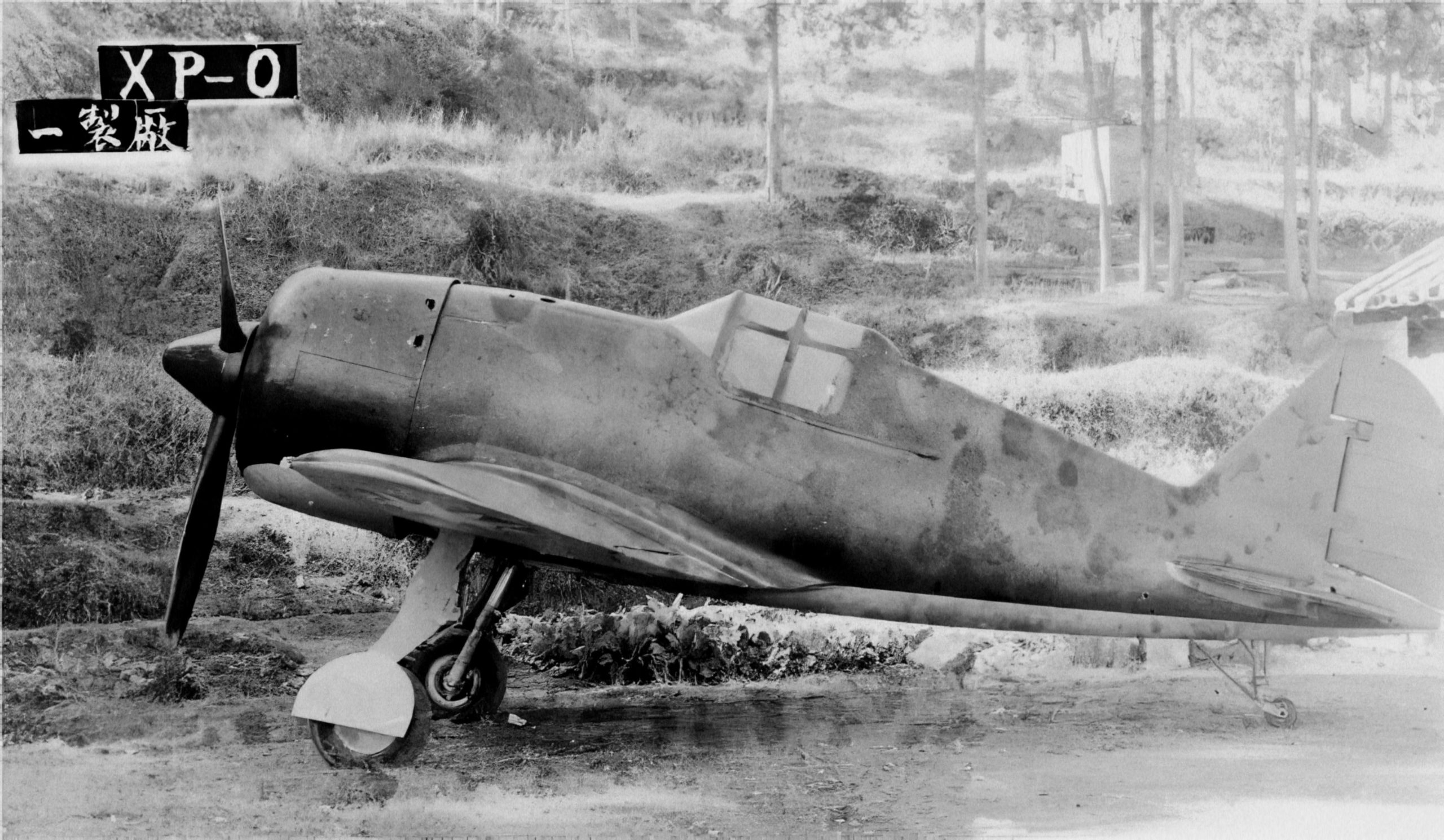
XP-1 / 研驅一式
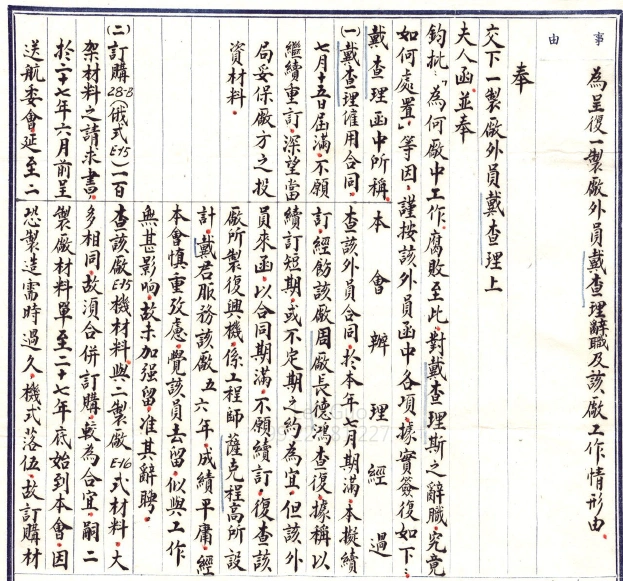
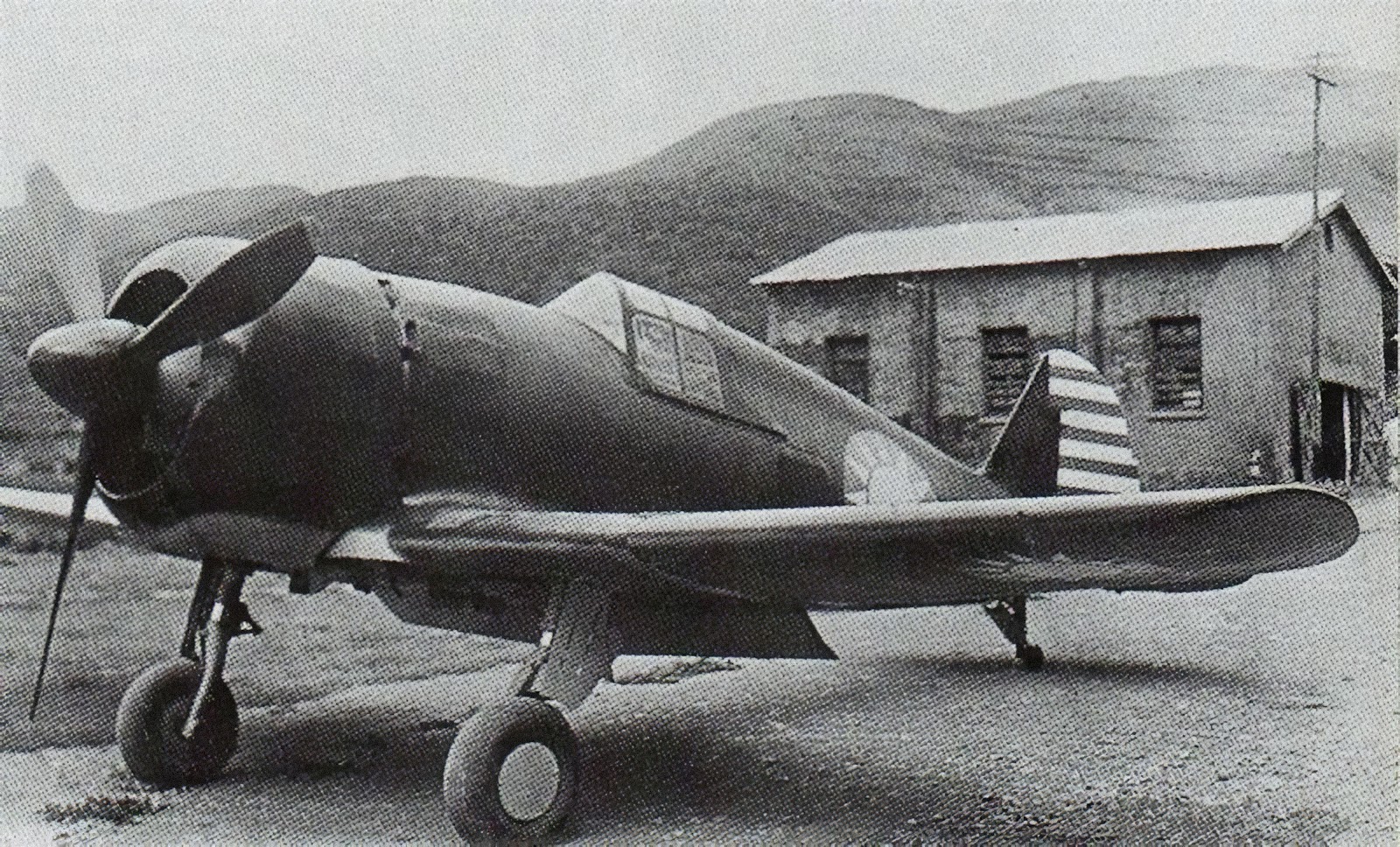
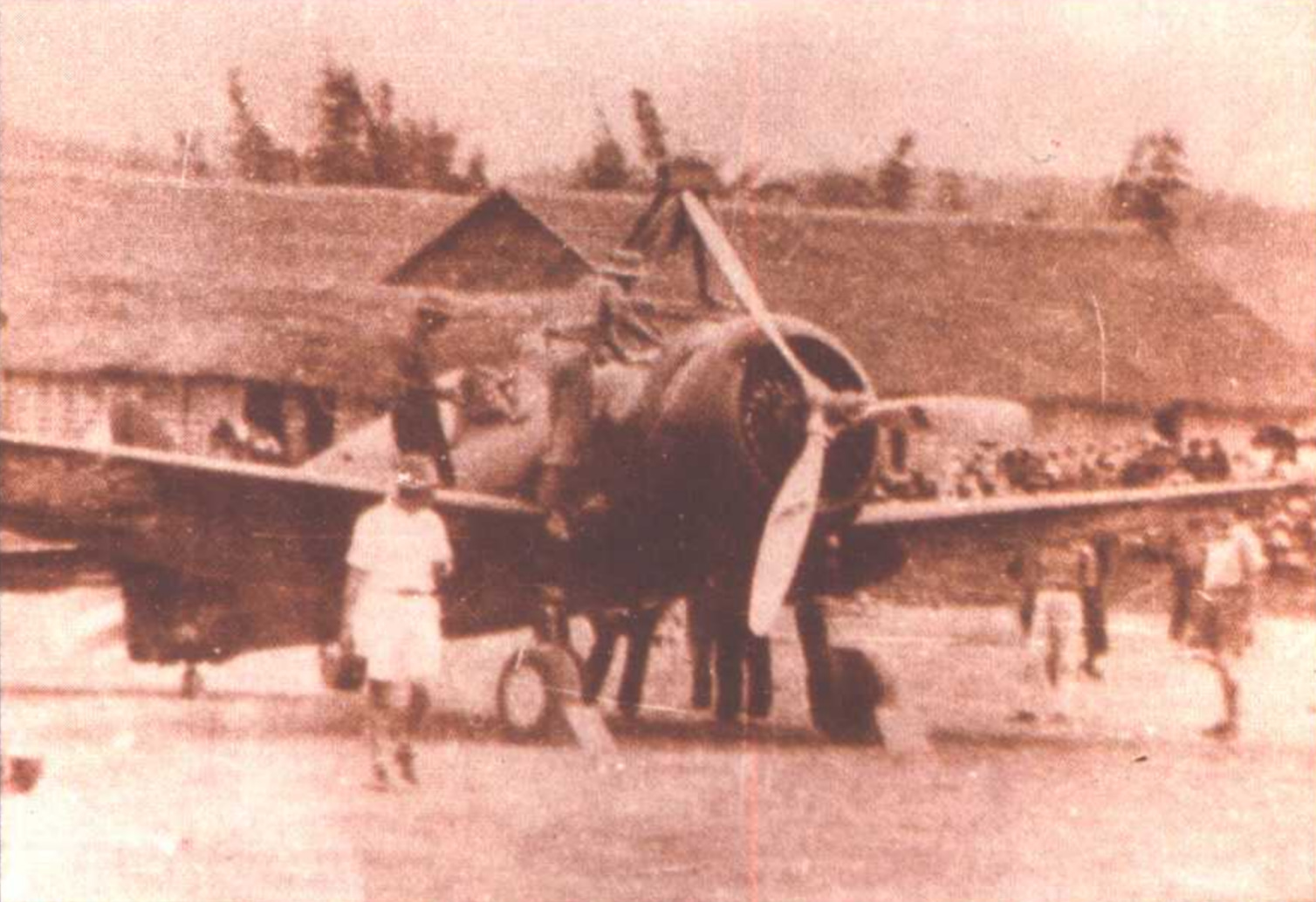
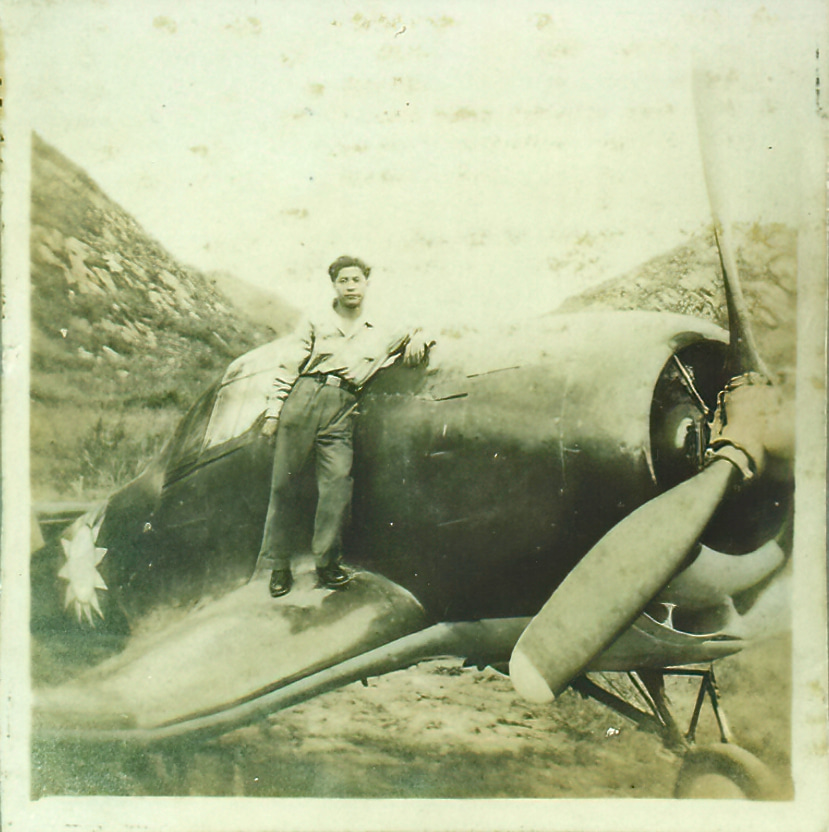
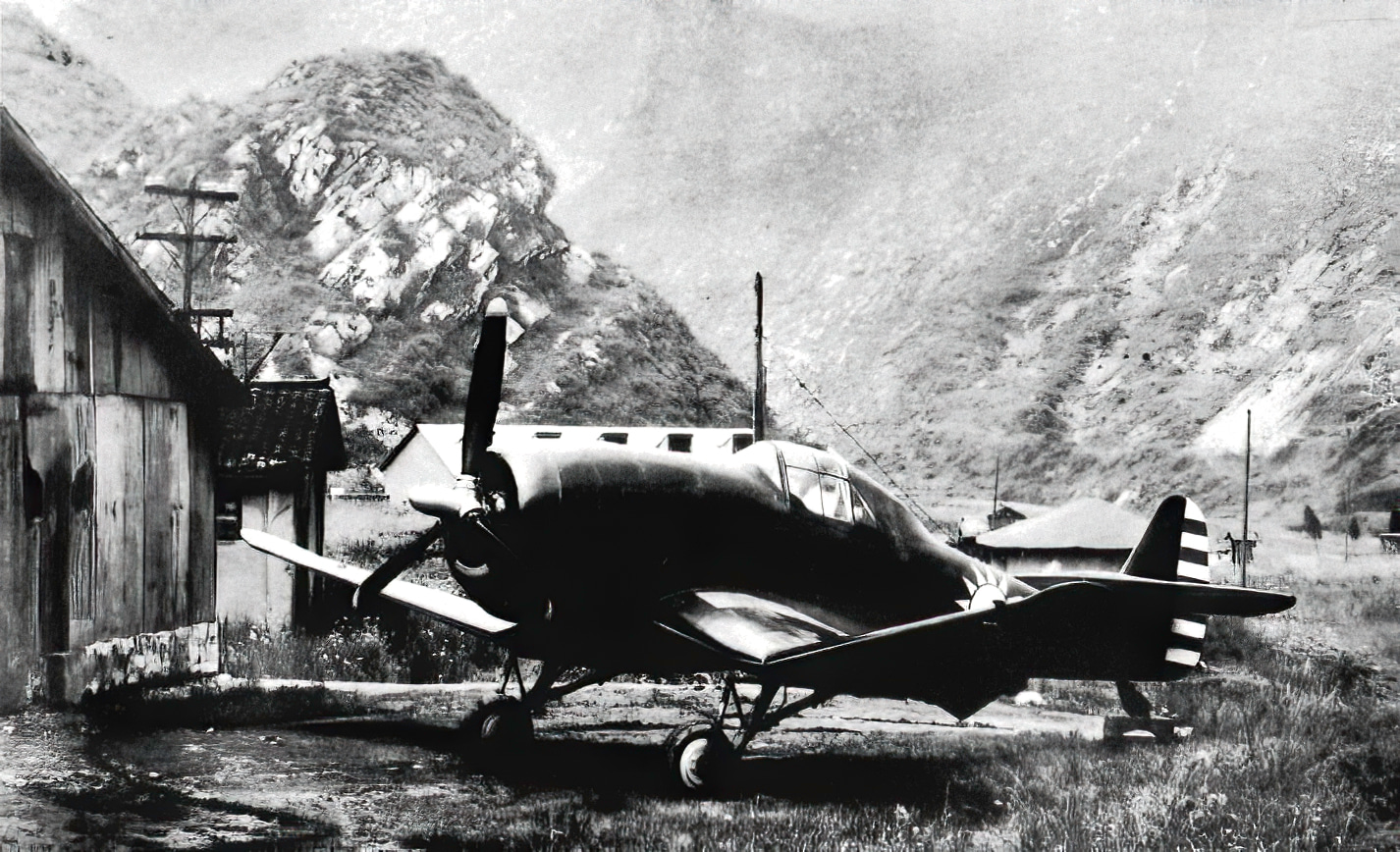
Work on the XP-0 started early 1942. At the time, the majority of Chinese aircraft were American and Russian supplied. To reduce reliance of foreign aid the 1st AFAMF set up a team under Chief Engineer Constantine Zakhartchenko, a Russian-American immigrant, who worked there since 1935. The specific design requirements are unknown, but a top speed of 580 km/h was allegedly requested. Under his lead the project started and completed the preliminary designs, using novel forward-swept gull-wings. However, Zakhartchenko’s contract expired and on January 9, 1943 Zakhartchenko. He kept assisting the project until June, when he returned to the US to work for McDonnell.
He was succeeded by 雷兆鴻 (Léi Zhàohóng) as project lead. After the design was done, construction on the first prototype began immediately in the Guiyang factory. One of the problems was sourcing a Wright SGR-180 Engine. Likely due to prioritization of such engines for lend-lease fighters, the team could not acquire a two new ones. The team was however able to secure one from a crashed C-47. Other factories also helped with materials; the propellers were constructed by the 2nd AFAMF, while a special laminated wood and fabric were provided by subsidiaries of the 成都航空研究所 (Chéngdū Hángkōng Yánjiū Suǒ, Chengdu Aviation Research Institute). The canopy was likely sourced from a P-36 or P-40, with the landing gear and instrumentations also sourced from old American aircraft or reserve parts.
//TODO fighter, stukje schrijven
| Experimental Type 1 Drive / XP-1 研驅一式 / Yán qū yīshì | |||
|---|---|---|---|
| Length | 8.72 meter | Crew | 1 |
| Wingspan | 12.10 meter | Cruising Speed | |
| Height | Maximum Speed | 580 km/h (requirement) | |
| Empty Weight | Range | ||
| Gross Weight | Ceiling | ||
| Powerplant | 710 hp Wright SGR 1820 Cyclone | Number build | 2 prototypes |
| Fuel capacity | |||
| Armament | unknown | ||
XP-2 / 研驅二式
The team working on the XP-1 did design a new variant of the XP-1, however details of this aircraft and how it differed from the XP-1 are unknown. Some sources suggest the engine was changed to a 825 hp Wasp engine, while others suggest major modifications to the airframe.
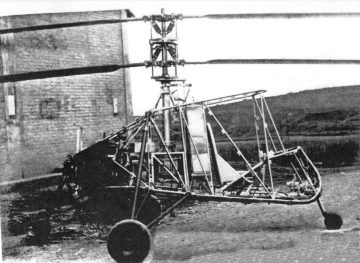
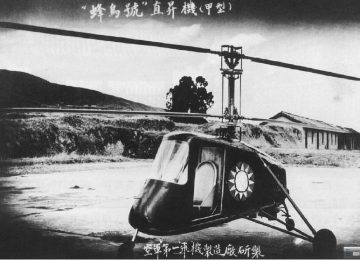
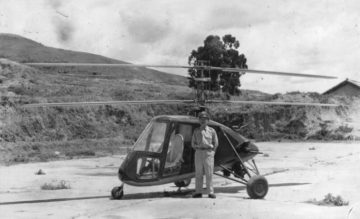
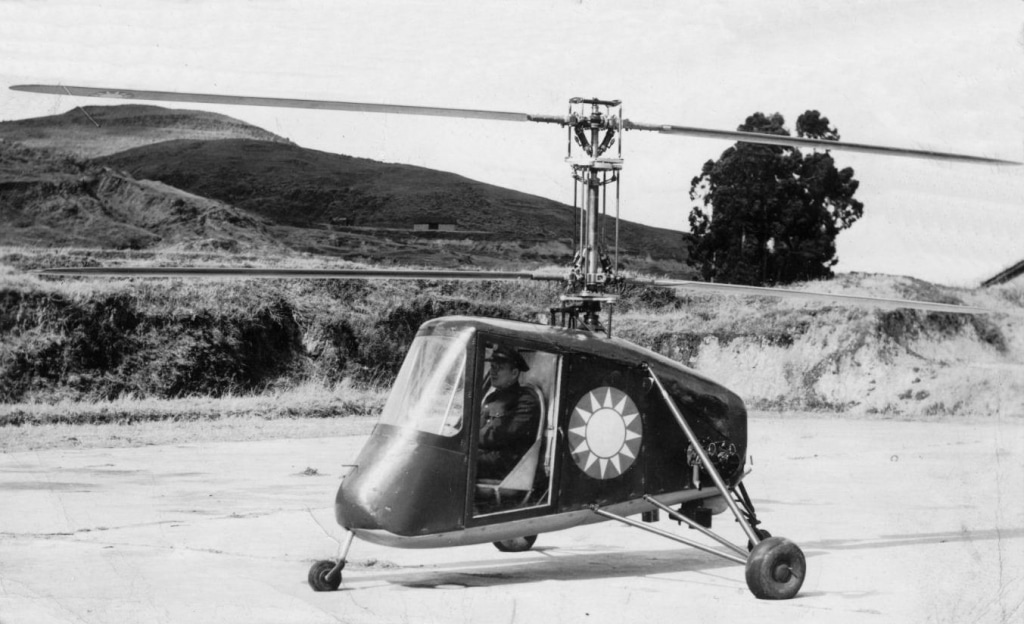
CJC-1 Hummingbird
//TODO small helicopter
CJC-3
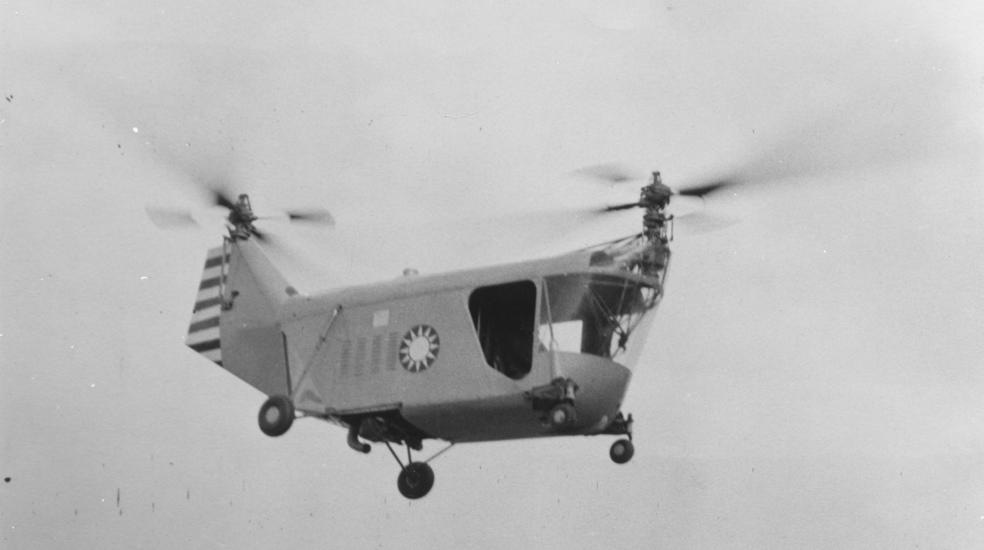
//TODO 1950’s Tandem rotor helicopter
https://en.wikipedia.org/wiki/Chu_CJC-3
Sources
- Andersson, L. (2008). A history of chinese aviation: Encyclopedia of aircraft and aviation in China until 1949. AHS of ROC.
- Guo, L. (2020, July 6). 1st AFAMF Hummingbird – China’s first helicopter. Sino Records. https://sinorecords.org/1st-afamf-hummingbird/
- Guo, L. (2021, December 4). 1st AFAMF XP-1 – China’s wartime swept Wing Fighter. Sino Records. https://sinorecords.org/xp-1/
- Xiaoci, H. 中國飛機外篇(之十五)中國飛機和直升機製造家 – 朱家仁及他所研製的飛機和直升機. 中國飛機尋根. (n.d.). http://cwlam2000.epizy.com/cafx15.htm
- Xiaoci, H. 中國飛機外篇(之九)海軍製造飛機處. 中國飛機尋根. (n.d.). http://cwlam2000.epizy.com/cafx16.htm
- https://sinorecords.org/1st-afamf-zhong28yi/
- https://www.britishpathe.com/asset/92593/
- Sources often state that the Zhong 28B was based on the Polikarpov I-152. This designation is however incorrect and should be I-15bis. Even though the Latin adverbial numeral “bis” does mean 2, the I-15bis and I-152 are not the same aircraft. The I-152 designation was used for a further improved version that was instead replaced by the I-153. This text uses the correct designation “I-15bis”. ↩︎